Skip to content
Where It Began

A Community That Needed a Voice

ASHO was founded in 2001 out of a simple — and urgent — observation: families raising children with developmental disabilities in New York City's immigrant communities were being left behind. Language barriers, cultural gaps, and a lack of culturally competent services meant that thousands of families in Queens alone were either unaware of available supports or unable to access them.

ASHO's founders set out to change that. Starting from a modest office on Hillside Avenue in Jamaica, Queens, a small but committed team began connecting families to OPWDD services, helping them navigate a complex system, and doing so in their own language — with genuine care.
  • Founded in Queens, NY — serving the community since 2001
  • Now operating across Queens, Manhattan, Brooklyn & the Bronx
  • Bilingual services in English and Bangla (বাংলা)
  • OPWDD-certified provider serving 5,000+ individuals
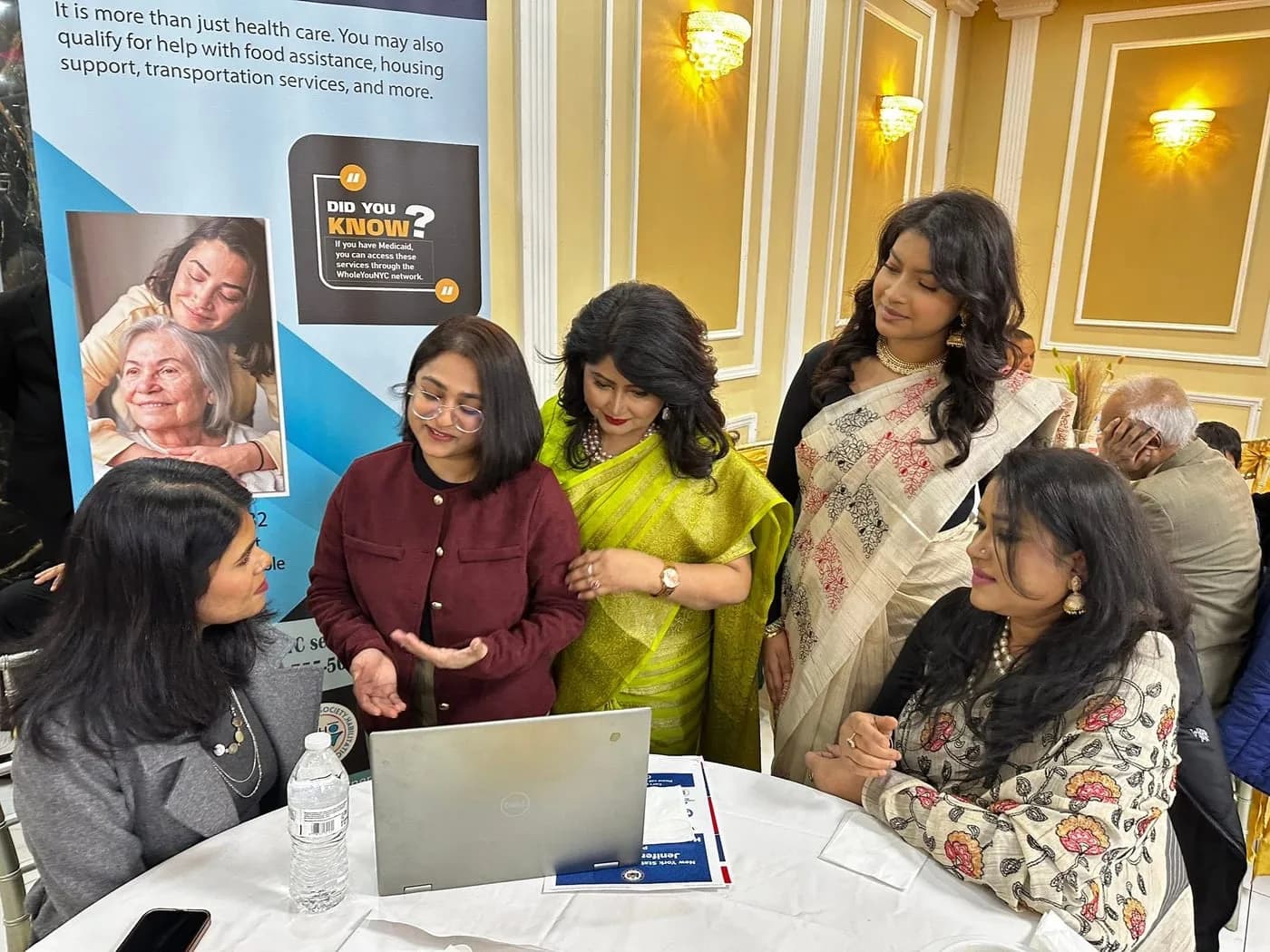
ASHO staff and community members around a laptop at an information session
EST.2001
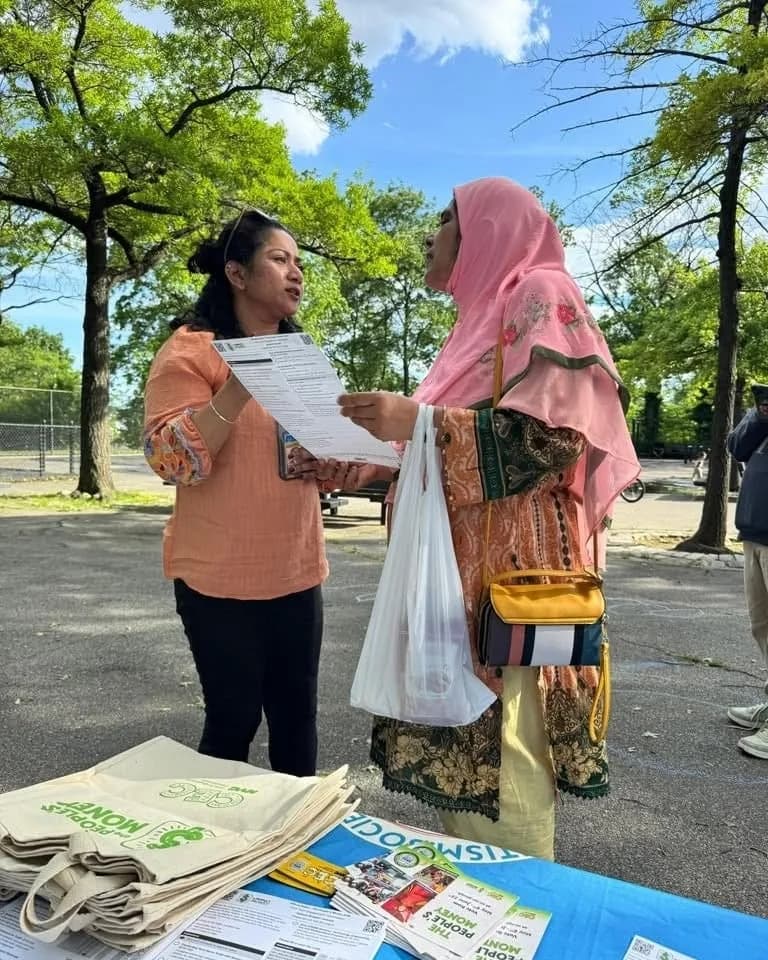
An ASHO outreach worker handing information to a community member in a park
Our Journey

25 Years of Growth & Impact

ASHO participates in two distinct Social Care Network partnerships, each serving a different community across New York City.

  1. 2001Milestone

    ASHO is Founded

    Autism Society Habilitation Organization is established in Queens, New York, with a clear mission: to provide dignified, person-centered services for individuals with developmental disabilities and their families — starting with the South Asian community in Jamaica, Queens.

  2. 2005

    Case Management Program Launches

    ASHO launches its first formal case management program, connecting families to OPWDD services and providing one-on-one family support. The program grows quickly, serving dozens of families within its first year.

  3. 2009

    Bilingual Services Introduced

    Recognizing the large Bangla-speaking population in Queens, ASHO formally introduces bilingual (English and বাংলা) services — removing a critical language barrier for hundreds of immigrant families.

  4. 2013

    Benefit Center Opens

    ASHO opens its Benefit Center to help families access government benefits including SNAP, SSI, Medicare, and Medicaid. In its first two years, the Center helped families access over $2 million in unclaimed benefits.

  5. 2016

    Community Education Center Established

    Free weekly classes begin for senior community members — basic computer skills and English literacy, taught bilingually. Small class sizes and no cost to participants make this one of ASHO's most beloved programs.

  6. 2018

    Puppet Like Me Awareness Program

    ASHO launches 'Puppet Like Me,' an innovative awareness program using puppetry and storytelling to build community empathy around developmental disabilities. The program begins reaching schools across Queens and Brooklyn.

  7. 2020

    Social Care Network (SCN) Partnerships

    ASHO becomes a key partner in the Social Care Network — joining Public Health Solutions (PHS) to serve Queens, Manhattan, and Brooklyn, and SOMOS Community Care to serve the Bronx. These projects dramatically expand ASHO's geographic reach.

  8. 2022

    Manhattan Office Opens

    ASHO expands with a second office at 142 W 57th Street in Manhattan, extending accessibility for families across Midtown and beyond — and enabling the team to grow to meet increasing demand.

  9. 2024

    NYC Civic Engagement Commission Partnership

    ASHO joins the NYC Civic Engagement Commission's Participatory Budgeting initiative, giving community members a direct voice in how public funds are allocated across New York City.

  10. 2026Milestone

    Website Redesign & Digital Transformation

    ASHO launches a fully redesigned, accessible, bilingual website — transforming asho-ny.org into a modern platform that better serves families, partners, donors, and the broader New York community.

Our Constants

What Has Never Changed

Programs grow, offices open, partnerships expand — but the core of ASHO has remained unchanged since 2001.

  1. Person-Centered

    Every plan, every decision, every interaction starts with the individual — not a system.

  2. Family-First

    We serve the whole family, not just the individual with a disability. Everyone matters.

  3. Community-Rooted

    We are of this community. We speak its languages, know its needs, and serve with deep respect.